Trans Travel as Radical Resistance: A Deeper Exploration
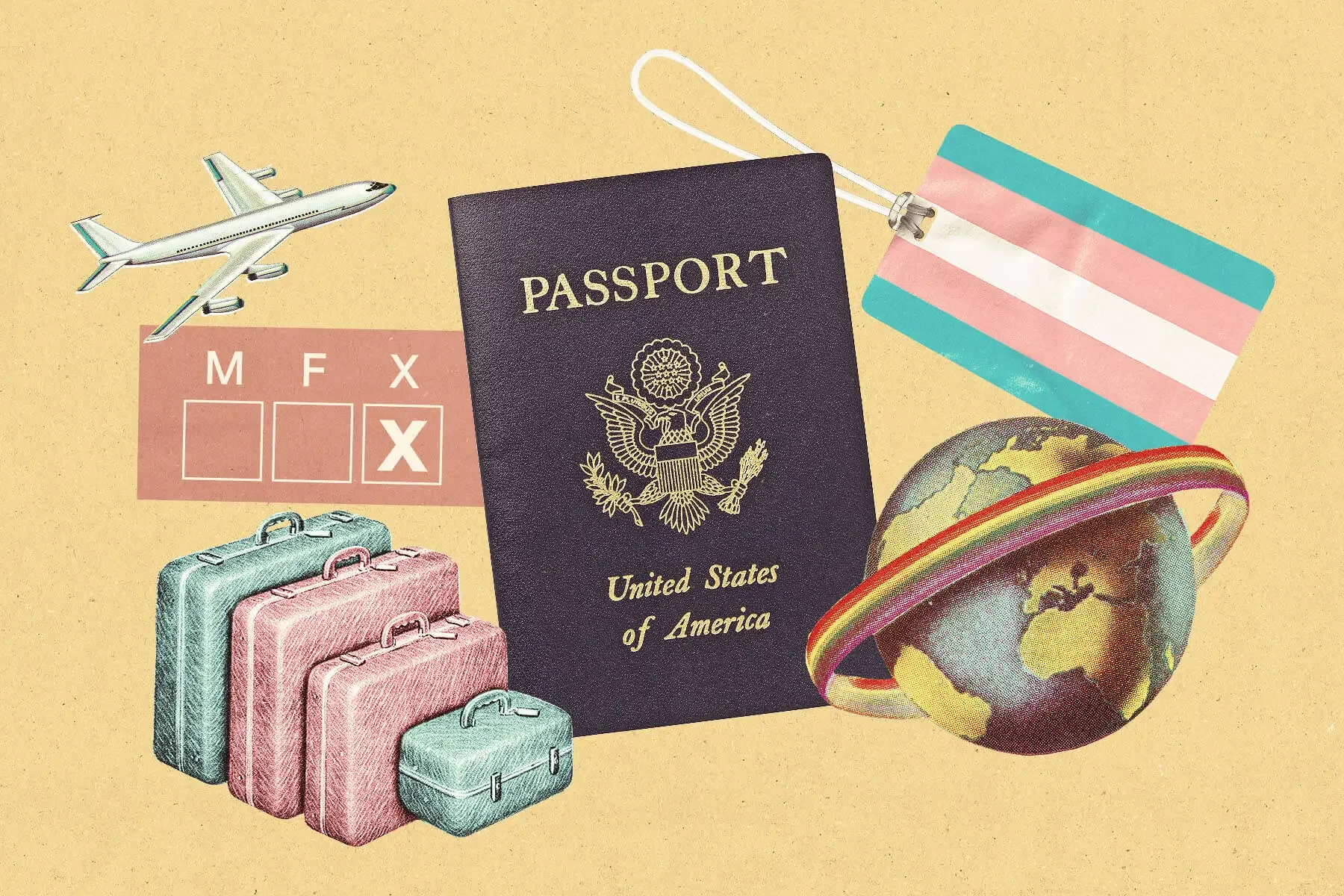
Travel is often framed as a luxury or a simple act of leisure, but for trans and gender-nonconforming people, it is fraught with political weight.
From navigating hostile security checkpoints to claiming space in unwelcoming destinations, trans travel disrupts systems of control, challenges cisnormativity, and asserts the right to exist freely in movement.
Below, we expand on how trans travel functions as a form of radical resistance.
1. Defying Gender Policing in Transit
The Violence of Surveillance
Airports, train stations, and border crossings are among the most heavily policed spaces when it comes to gender. Security protocols—designed around binary assumptions—force trans travelers into humiliating and sometimes dangerous situations:
ID and Body Mismatch: Many trans people face harassment when their appearance doesn’t align with outdated legal documents. TSA agents, border officers, and even hotel clerks scrutinize gender markers, leading to delays, detainment, or denial of passage.
Invasive Searches: Full-body scanners flag "anomalies" (like binders, packers, or breast tissue), leading to non-consensual pat-downs. Trans women, especially those of color, are disproportionately targeted as "suspicious."
Misgendering as a Weapon: Officials may deliberately refuse to use correct pronouns or names, weaponizing bureaucracy to enforce discomfort or compliance.
Acts of Resistance
Legal & Document Battles: Some trans travelers fight for updated passports (e.g., the U.S. now allows an "X" marker, but many countries don’t), turning bureaucratic struggles into political statements.
Public Shaming of Institutions: Documenting and exposing discriminatory encounters (via social media, lawsuits, or advocacy groups) pressures authorities to change policies.
Community Survival Tactics: Networks share tips—like packing medically necessary items in carry-ons (to avoid losing them) or knowing which airports are less hostile.
2. Claiming Space in Unwelcoming Places
The Politics of Belonging
Public spaces—beaches, hotels, museums—are often coded as cisgender and heteronormative. Trans travelers disrupt this by simply existing in them:
Bathrooms as Battlegrounds: Using the "wrong" restroom can lead to confrontation or violence. Some trans travelers scout gender-neutral options ahead of time or use apps like Refuge Restrooms.
Tourism as a Trans Act: Visiting conservative or religious destinations (e.g., Dubai, rural U.S. states) while visibly queer/trans challenges local norms. Even taking family photos in such places asserts: We were here.
Queering Historical Sites: Mainstream tourism erases queer and trans histories. Trans travelers reclaim spaces—like the Stonewall Inn, Berlin’s Eldorado, or Thailand’s kathoey culture—by centering marginalized narratives.
Radical Hospitality
Trans-Friendly Hostels & Networks: Collectives like Queer Hostels or Dyke Travel create safer accommodations, resisting capitalist, cis-owned tourism industries.
Squats & Alternative Travel: Some travelers stay in queer squats, activist hubs, or community centers, rejecting traditional (and often exclusionary) lodging.
3. Subverting Borders and Nationalism
The Right to Move Freely
Nation-states control movement through passports, visas, and detention systems—tools that disproportionately harm trans migrants, especially those who are undocumented, refugees, or from the Global South.
Asylum Seekers: Many trans people flee persecution, only to face violence in detention centers (e.g., ICE facilities in the U.S.) or bureaucratic delays in gender recognition abroad.
"X" Marker Limitations: While some countries allow non-binary IDs, others refuse to recognize them, creating legal limbo for travelers.
The Privilege of "Safe" Travel: Wealthier (often white) trans people may pass through borders more easily, highlighting how race, class, and nationality intersect with trans mobility.
Acts of Border Resistance
Mutual Aid for Trans Migrants: Groups like Transgender Law Center or Black LGBTQIA+ Migrant Project help with legal funds, housing, and advocacy.
Digital Smuggling: Activists share encrypted guides on crossing borders safely, evading surveillance, or accessing hormones abroad.
Stateless & Undocumented Travel: Some trans people move without papers, rejecting the idea that citizenship determines worth.
4. Rewriting Travel Narratives
Who Gets to Be a "Traveler"?
Mainstream travel media (blogs, magazines, influencers) centers cis, white, able-bodied, and wealthy perspectives. Trans travelers—especially those who are disabled, Indigenous, or people of color—challenge this by:
Creating Counter-Content: Trans travel vloggers (e.g., Dara Hoffman-Fox, Adrian Ballou) document their journeys, offering practical tips and political critiques.
Decolonizing Travel: Some queer/trans travelers prioritize Indigenous-led tours, eco-feminist collectives, or anti-capitalist travel (e.g., hitchhiking, work exchanges).
Archiving Survival: Zines, podcasts, and Instagram accounts (like @queertravelguide) share stories of trans joy and struggle on the road.
5. Building Trans Futures Through Movement
Travel as a Lifeline
For many trans people, leaving home is not a choice but a necessity—whether fleeing abuse, seeking gender-affirming care, or finding chosen family.
Diasporic Connections: Trans migrants form networks across borders, sharing resources (e.g., hormones, legal advice) and creating global solidarity.
Temporary Autonomous Zones: Events like Trans Pride in Brighton or Buenos Aires’ Marcha del Orgullo become sites of collective power.
The Utopian Potential: Imagining a world without borders or gender policing starts with trans people moving freely—and refusing to apologize for it.

Travel as a Revolutionary Act
Travel as a trans person is not merely a leisure activity or a simple change of scenery; it is a revolutionary act. This journey extends far beyond seeing new landscapes—it is about actively reshaping the world and asserting a fundamental right to exist within it. Each time a trans individual boards a plane, presents their documents at a checkpoint, or walks confidently through an unfamiliar city square, they perform a quiet yet profound defiance. They move through systems—of borders, bureaucracy, and public space—that are often designed to categorize, restrict, or erase them. In a global culture that frequently tells trans people to hide, to minimize themselves, or to vanish from view, the conscious choice to move through the world boldly and unapologetically becomes its own form of insurgency. It is a lived declaration that trans bodies belong everywhere, that trans joy is valid, and that the simple act of claiming space is both a radical affirmation of survival and a powerful, ongoing rebellion.
Useful Resources and Trans Led Travel Businesses:
