
TEAM

-

SULIQUE VENUS WAQA
Sulique Waqa is the visionary Founder of the Haus of Khameleon, where she served as Creative Director and Lifetime Board Member. A trailblazing transgender of indigenous Fijian descent, she has dedicated over 18 years to advancing LGBTIQ rights across the Pacific, establishing herself as a pivotal leader in Fiji’s movement.
For a decade, Sulique has spearheaded the Adi Senikau Pageant—Fiji’s most prestigious transgender pageant—showcasing her commitment to visibility and empowerment. Her influence extends to the Vodafone Fiji Hibiscus Festival Committee (Hibiscus Events Group Inc.), where she lends her strategic expertise.
A respected advocate, Sulique has held key roles with regional Oceania and Asia Pacific LGBTQ+ led and serving organizations and institutions. She has also served as elected board member on various global institutions.
Sulique currently owns and manages a travel business based in San Francisco.
-

HANNAH MARA
Hannah Mara is the Fiji Country Director of the Haus of Khameleon who is of an Indigenous Vakasalewalewa, Trans activist, and human rights defender whose journey in advocacy began over a decade ago, born from both personal lived experience and an unwavering commitment to justice. Proudly rooted in Pacific traditions while breaking boundaries, Hannah has become one of the region’s most visible voices for the rights of transgender and gender non-conforming peoples.
Hannah's work has been celebrated with national and regional honors, crowned Adi Senikau in 2016 and awarded the Lady Kirah Rainbow Youth Leader Award at the 2023 Pasefika Pride Awards, recognitions that reflect both personal resilience and a deep commitment to community empowerment. Beyond titles and awards, Hannah’s true legacy lies in the lives touched, the voices amplified, and the bridges built between cultures, generations, and movements.
Guided by a vision of a Pacific where diversity is honored, climate justice is championed, and every identity is free to thrive, Hannah continues to stand on the frontlines, challenging inequality, reshaping narratives, and ensuring that the next generation inherits a more inclusive and just region. -

MS. JUNE WHITE
Trans Activist | Community Advocate & Entrepreneur
June White brings community insight, an entrepreneurial mindset and a strong voice for transgender equality to her work. An Indigenous Fijian transgender activist, she connects advocacy with practical action—building relationships, creating opportunities and keeping community experiences at the centre of change.
Through her involvement with Haus of Khameleon and community organizations in Fiji, June engages with community members, police and justice institutions to promote dignity, accountability and access to protection. Her approach begins with listening and carries community concerns into public conversations and spaces where decisions are made.
Her contributions span grassroots organizing, media engagement and community research. Published under her name, Metuisela Talala, she co-authored Secret Lives, Other Voices (2011), a community-based study exploring gender identity and HIV vulnerability in Fiji.
Business-minded and driven by possibility, June sees entrepreneurship as a pathway to independence and community empowerment. She is passionate about connecting people, developing ideas and exploring ventures that create income, strengthen networks and open doors for others.
Across her advocacy and entrepreneurial interests, June brings one clear purpose: helping people turn their strengths into opportunities and have a greater say in their futures.
-
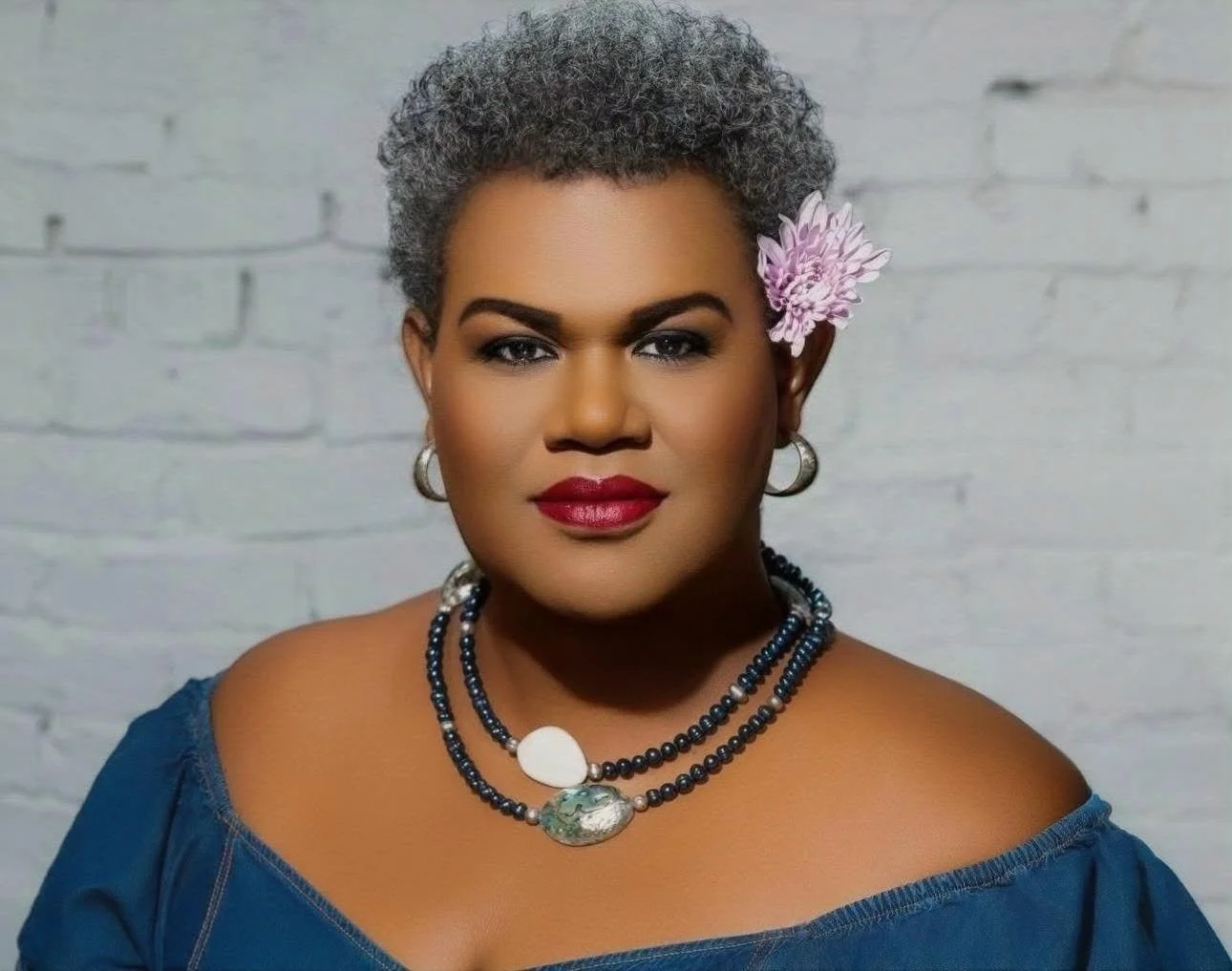
Ms. Amasai Jeke (She/Her)
Ms. Amasai Jeke is an Indigenous iTaukei Fijian, proud Pasifika trans woman, feminist, political leader, and human rights advocate whose work is deeply rooted in community organizing, collective liberation, and transformative justice. With more than a decade of experience in feminist, LGBTQI, and human rights movements, Amasai has dedicated her life to challenging systems of oppression, building community power, and advancing the rights and dignity of those most impacted by social, political, and economic injustice.
Her movement journey began in Fiji, where she worked with Haus of Khameleon, FemLink Pacific and Rainbow Pride Foundation in Fiji, supporting grassroots organizing, transgender leadership, gender equality, sexual and reproductive health and rights, and climate and ecological justice. Her advocacy has since expanded across the Pacific and internationally, connecting Indigenous and Pasifika experiences with broader struggles for human rights, political representation, and systemic change.
Today, Amasai serves as Deputy Director at Lavender Rights Project in Washington State, where she works to strengthen community-led programs, political advocacy, public policy, and movement-building efforts grounded in Black trans feminist principles. She also serves as Vice Chair of the Washington State LGBTQ Commission, helping strengthen LGBTQI representation, community engagement, and accountability in state government. Previously, she served as Policy and Programs Coordinator at UTOPIA Washington, where she worked to advance the rights, visibility, leadership, and collective political power of LGBTQI Pacific Islander communities through grassroots organizing, policy advocacy, and community-led initiatives.
Amasai brings her experience in grassroots movement building, organizational leadership, political strategy, and feminist transformative justice. Her commitment is to help strengthen spaces where trans and gender-diverse communities, particularly those across Fiji and the Pacific, can organize, lead, build sustainable institutions, and determine their own futures.
Grounded in her Indigenous identity, her vanua, and the strength of her ancestors, Amasai believes that liberation cannot be achieved through representation alone. It requires shifting power, challenging harmful systems, and ensuring that communities most impacted by injustice have the resources, leadership, and authority to shape the decisions that affect their lives.
Her political vision is simple: our communities deserve more than a seat at the table. We deserve the power to build our own tables, shape our own futures, and live freely with dignity, safety, and self-determination.